Bohemian fashion, often referred to as ‘boho,’ embodies a free-spirited, eclectic aesthetic that draws inspiration from various cultures, art movements, and historical periods. With its roots in the countercultural movements of the 1960s and 1970s, bohemian style has evolved into a symbol of individuality, creativity, and a laid-back lifestyle. This article delves into the historical background of bohemian fashion, its defining characteristics, and its ongoing relevance in today’s fashion landscape. The term ‘bohemian’ originally referred to the Romani people, who were often misassociated with artistic and unconventional lifestyles. Over time, the term evolved to describe individuals who rejected societal norms in favor of creative expression, particularly in art, literature, and fashion. The bohemian style gained significant traction during the 1960s and 1970s, influenced by movements such as the hippie culture, which celebrated peace, love, and freedom. This era brought forth a wave of vibrant colors, flowing fabrics, and bold patterns, which remain hallmarks of bohemian fashion today. One of the most distinctive features of bohemian fashion is its emphasis on comfort and relaxed silhouettes. Boho outfits often consist of loose-fitting garments, such as maxi dresses, peasant blouses, and wide-leg pants, allowing for ease of movement and a carefree vibe. Layering is also a key component of this style, with individuals often combining various textures and patterns to create unique, visually engaging outfits. The use of natural fabrics, like cotton, linen, and silk, contributes to the overall comfort and aesthetic appeal, reinforcing the connection to nature and sustainability that is central to the bohemian philosophy. Prints and patterns are fundamental to bohemian fashion, reflecting a global influence that celebrates diversity and cultural richness. Floral prints, paisley designs, and ethnic motifs are commonly seen in boho attire, often paired in unexpected combinations to create an individualized look. Accessories play a significant role in achieving the bohemian aesthetic, with statement jewelry, hats, and bags enhancing the overall vibe. Layered necklaces, oversized rings, and handcrafted items add a personal touch, allowing wearers to express their unique style. Additionally, fringe details, tassels, and embroidery are often incorporated into both clothing and accessories, adding a whimsical element that is characteristic of bohemian fashion. Footwear in bohemian style leans towards comfort and practicality, with options such as sandals, ankle boots, and moccasins frequently featured. These choices reflect the overall ethos of bohemian fashion, which prioritizes ease and self-expression over rigid fashion rules. The influence of bohemian fashion extends beyond clothing; it is also a lifestyle that promotes creativity, artistic expression, and a connection to nature. Many individuals who embrace this style often seek to cultivate a holistic approach to life, prioritizing experiences over material possessions. This philosophy is mirrored in the choice of sustainable and ethically sourced clothing, which aligns with the values of many modern bohemian enthusiasts. As bohemian fashion continues to evolve, it has become increasingly popular among various demographics, transcending age and cultural boundaries. Influencers and celebrities have embraced boho style, showcasing it on social media platforms and red carpets alike. This exposure has helped to redefine the bohemian aesthetic, blending traditional elements with contemporary influences. The rise of festival culture has also contributed to the popularity of bohemian fashion. Events like Coachella and Glastonbury have become synonymous with boho style, where attendees showcase their creativity through vibrant outfits, eclectic accessories, and expressive makeup. This environment fosters a sense of community among individuals who share a passion for self-expression and artistic freedom, reinforcing the spirit of bohemian fashion. In addition to its aesthetic appeal, bohemian fashion also serves as a form of activism, encouraging individuals to embrace their identities and celebrate diversity. Many brands within the boho market prioritize inclusivity and representation, offering a range of sizes and styles that cater to various body types. This shift reflects a broader trend within the fashion industry towards inclusivity, allowing individuals to find their place within the bohemian movement. Sustainability remains a crucial aspect of contemporary bohemian fashion. As awareness of environmental issues continues to grow, many bohemian brands are committed to ethical production practices and sustainable materials. This commitment not only resonates with consumers but also aligns with the bohemian ethos of living harmoniously with nature. As we look to the future, it is clear that bohemian fashion will continue to evolve while maintaining its core principles. The blend of traditional and modern elements ensures that boho style remains fresh and relevant, appealing to new generations of fashion enthusiasts. Furthermore, the emphasis on individuality and self-expression will continue to inspire creativity within the fashion landscape, encouraging individuals to embrace their unique styles. In conclusion, bohemian fashion is a celebration of free-spirited individuality, creativity, and comfort. Its historical roots and cultural influences make it a dynamic and evolving style that resonates with individuals seeking to express themselves authentically. By embracing the principles of layering, diverse patterns, and sustainable practices, bohemian fashion empowers wearers to connect with their identities while celebrating the beauty of diversity. As the world of fashion continues to shift, the allure of bohemian style will remain a timeless choice for those seeking to embody a lifestyle of creativity and authenticity.
The Allure of Bohemian Fashion: A Journey Through Free-Spirited Style

Categories:
Related Post
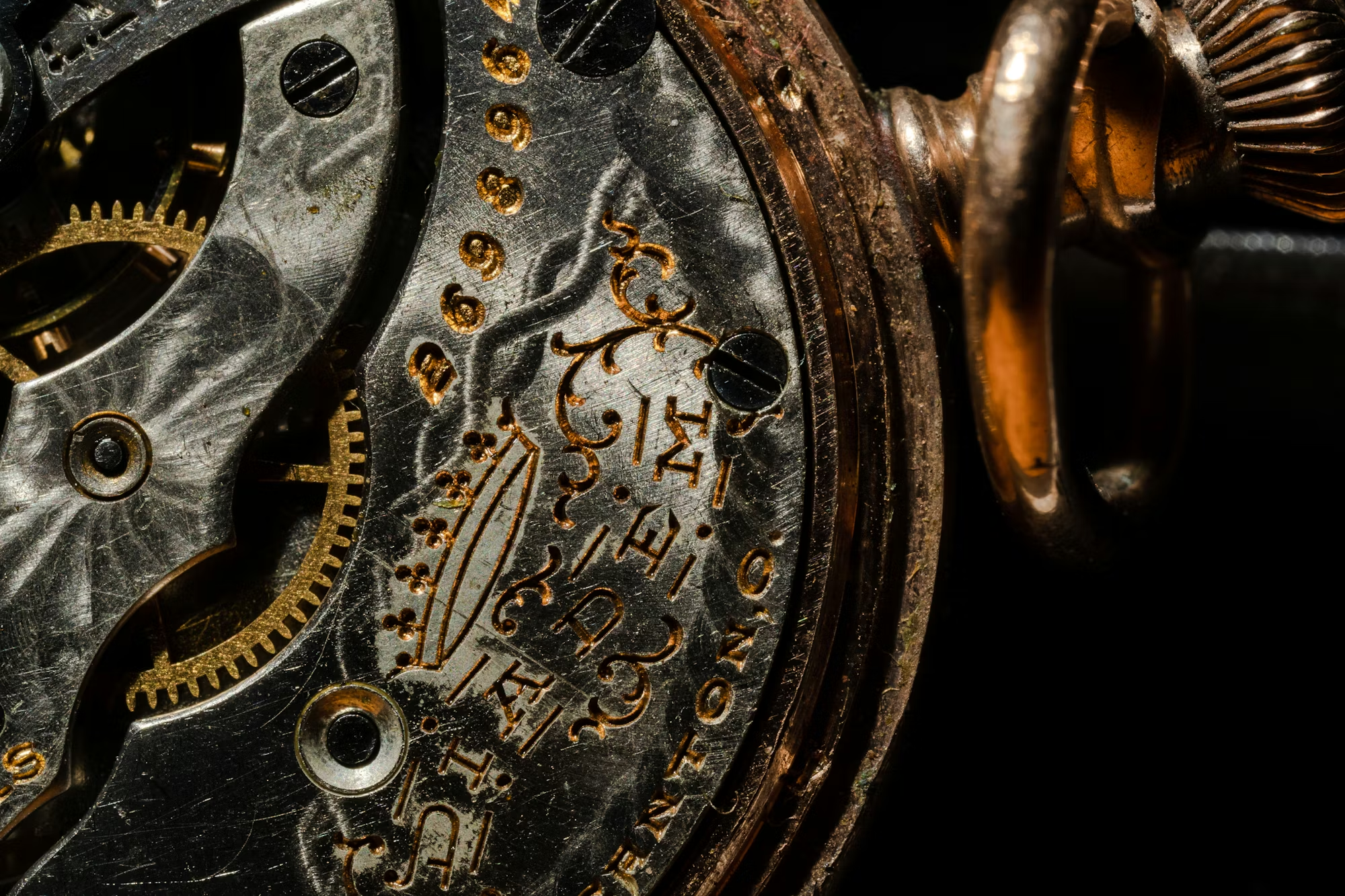
Jewelry Through the Ages: A Reflection of Society and SelfJewelry Through the Ages: A Reflection of Society and Self
An exploration of the historical significance of jewelry, its cultural impact, and its evolution as
Sustainable Fashion: Embracing Eco-Friendly Styles for a Greener FutureSustainable Fashion: Embracing Eco-Friendly Styles for a Greener Future
This article explores the importance of sustainable fashion, offering practical tips on how to build

Exploring the Timeless Elegance of Classic FashionExploring the Timeless Elegance of Classic Fashion
Classic fashion is all about timeless elegance, clean lines, and versatile pieces that never go out