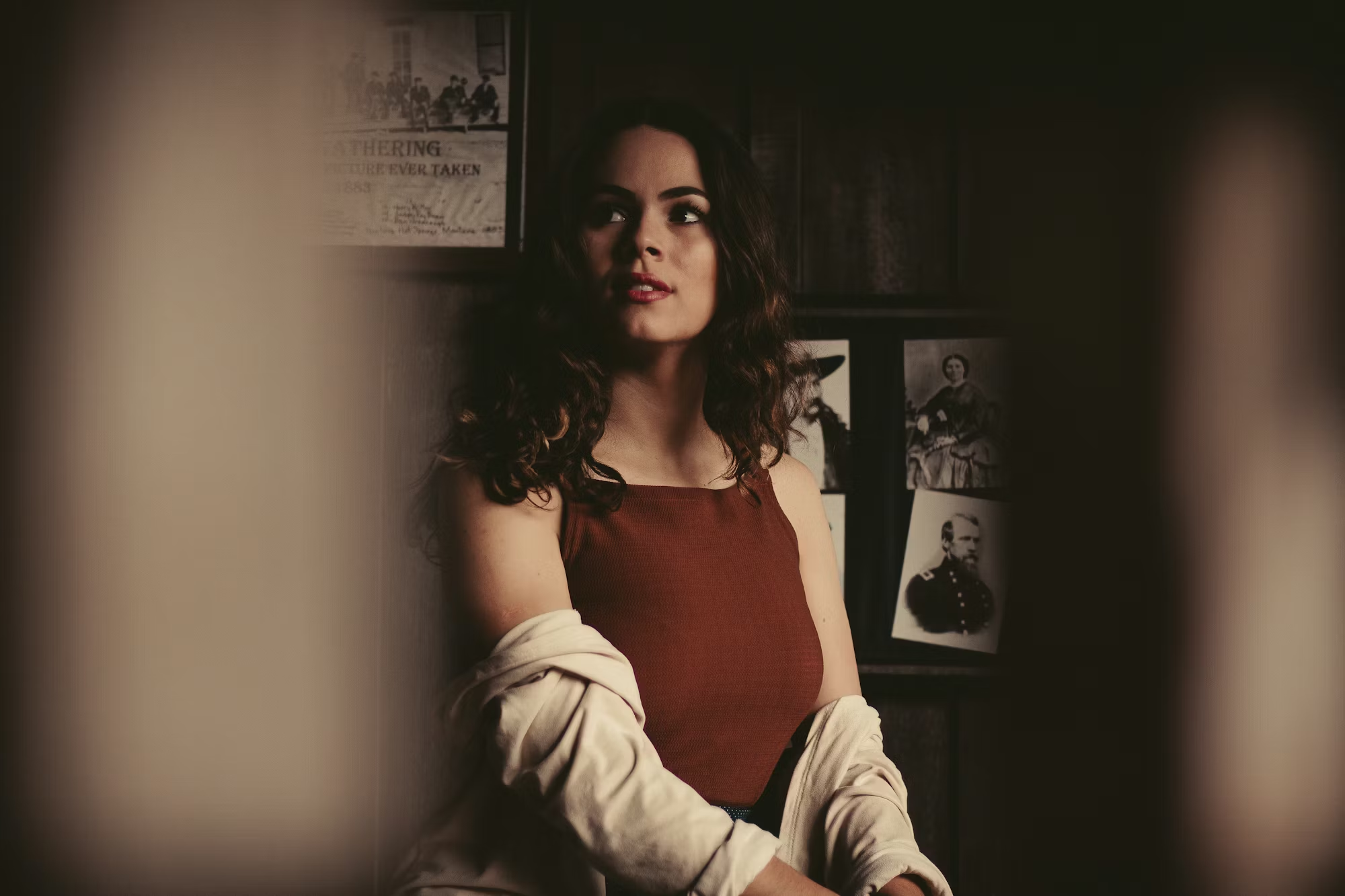
Fashion is an ever-evolving landscape that allows individuals to express their identities, beliefs, and creativity. As society changes, so do the styles and trends that shape our wardrobes. Each fashion category—from casual wear to haute couture—serves as a canvas for personal expression, reflecting cultural influences and individual stories. This article delves into various fashion styles, including casual, formal, streetwear, bohemian, vintage, gothic, preppy, minimalist, high fashion, ethnic, and retro, examining how they contribute to the narrative of personal identity.
Casual wear forms the backbone of many wardrobes, prioritizing comfort without sacrificing style. This category encompasses items such as jeans, t-shirts, hoodies, and sneakers, making it accessible to a wide audience. The recent rise of athleisure has further blurred the lines between gym attire and everyday clothing, emphasizing practicality and an active lifestyle. Casual fashion resonates with individuals seeking ease and flexibility, allowing them to navigate daily activities without compromising on style.
The versatility of casual wear encourages creative expression. Individuals can curate outfits that reflect their personalities, showcasing interests through graphic tees or elevating a simple look with unique accessories. Casual fashion allows for a relaxed yet intentional approach to dressing, where each choice tells a story about the wearer’s identity and lifestyle. Whether opting for a laid-back look or something a bit more polished, casual fashion provides the freedom to express oneself in countless ways.
In contrast, formal wear embodies elegance and sophistication, often associated with special occasions and professional settings. Tailored suits, elegant dresses, and polished shoes communicate a sense of professionalism and respect. Within the realm of formal attire, personal expression can still thrive. Accessories, such as ties, jewelry, and shoes, offer opportunities to inject individuality into even the most traditional outfits. This interplay between personal style and formal requirements highlights the dynamic nature of modern fashion.
As societal norms evolve, the boundaries between casual and formal styles continue to blur. Business casual has become increasingly popular, allowing for a blend of comfort and professionalism. This shift encourages individuals to infuse their personal style into various contexts, demonstrating that self-expression is valued across all areas of life. The merging of casual and formal styles illustrates the fluidity of fashion and its ability to adapt to contemporary needs.
Streetwear has emerged as a dominant force in the fashion landscape, deeply rooted in urban culture and youth movements. Characterized by oversized silhouettes, bold graphics, and comfortable materials, streetwear reflects a spirit of rebellion and individuality. Drawing inspiration from music, art, and skate culture, this genre fosters a sense of community among wearers, allowing them to express their identities through unique clothing choices. Collaborations between established designers and streetwear brands have elevated this style, merging high fashion with everyday wear.
The relaxed nature of streetwear encourages creative layering and experimentation. Individuals can easily mix casual pieces with sporty elements, resulting in outfits that are both stylish and functional. Streetwear acts as a canvas for self-expression, showcasing a generation that values authenticity, creativity, and the freedom to present oneself uniquely. This style transcends boundaries, appealing to a diverse audience that embraces individuality and innovation.
Bohemian fashion, often referred to as boho, embodies a free-spirited and eclectic approach to dressing. Flowing fabrics, intricate patterns, and layered accessories define this style, inviting creativity and self-expression without constraints. Bohemian fashion draws from various cultural influences, encouraging wearers to celebrate their artistic sensibilities. Maxi dresses, peasant tops, and handcrafted jewelry reflect a commitment to individuality and a connection to nature and art.
The growing emphasis on sustainability within bohemian fashion further highlights the intersection of values and personal style. Many boho enthusiasts prioritize eco-friendly materials and ethically produced garments, demonstrating that fashion choices can align with social responsibility. This harmonious blend of aesthetics and ethics enriches the narrative of individual style, showcasing that personal expression can contribute to a greater purpose.
Vintage fashion offers a nostalgic lens through which individuals can connect with the past while crafting modern identities. Vintage enthusiasts often seek unique pieces from thrift stores and boutiques, celebrating styles from different eras, such as the roaring twenties or the vibrant sixties. This practice promotes sustainability by encouraging the reuse of clothing, fostering a conscious approach to fashion that resonates with many.
The allure of vintage clothing lies in its ability to tell a story, allowing wearers to express their identities through curated outfits that reflect both personal style and historical context. By integrating vintage pieces into contemporary wardrobes, individuals can create looks that honor the past while maintaining relevance in today’s fashion landscape. Vintage fashion encourages a commitment to individuality and a sustainable lifestyle, illustrating the enduring power of style across generations.
Gothic fashion presents a dramatic avenue for self-expression, characterized by dark colors, unique textures, and bold silhouettes. Drawing inspiration from punk and Victorian aesthetics, gothic fashion allows individuals to embrace their identities in ways that challenge societal norms. Elements like lace, leather, and striking accessories create powerful looks that celebrate individuality and creativity. This style encourages wearers to explore their personal narratives and express themselves authentically.
Preppy fashion, with its classic and refined aesthetic, offers another pathway for self-expression. Inspired by collegiate styles, preppy fashion includes tailored blazers, crisp shirts, and loafers, embodying a polished and sophisticated image. While this style may appear structured, it allows for creative expression through colors, patterns, and personal touches. Modern interpretations of preppy fashion blend traditional elements with contemporary influences, showcasing the individuality of those who appreciate timeless elegance.
Minimalist fashion emphasizes simplicity and functionality, appealing to individuals who prefer clean lines and understated designs. This approach encourages thoughtful consumption, advocating for high-quality, versatile pieces that can be styled in numerous ways. A well-fitted basic item can serve as the foundation for countless outfits, demonstrating how minimalism enhances personal style. By prioritizing quality over quantity, individuals can cultivate wardrobes that reflect their values and aesthetics, promoting a sustainable fashion mindset.
High fashion, or haute couture, represents the pinnacle of creativity and luxury in the fashion world. Renowned designers create exclusive, handcrafted pieces that blur the lines between art and fashion. While high fashion may seem inaccessible to many, it serves as a wellspring of inspiration for everyday fashion, influencing trends and encouraging individuals to explore their creativity. Following prominent designers and attending fashion shows can ignite a passion for innovation in fashion, reminding us that it is an ever-evolving platform for self-expression.
Ethnic and cultural fashion celebrates the rich diversity of global traditions, allowing individuals to connect with their heritage or explore different cultures through their clothing choices. This category showcases unique textiles, patterns, and traditional garments that tell stories of identity and history. By incorporating elements from ethnic fashion into their wardrobes, individuals can foster appreciation for cultural diversity, enriching their personal style while promoting a sense of global connection.
Embracing cultural elements in fashion encourages understanding and respect for various traditions, enhancing the beauty of our wardrobes while celebrating the narratives behind each garment. Ethnic fashion is not merely an aesthetic choice; it offers an opportunity to honor cultural richness and the stories woven into every piece of clothing.
Finally, retro fashion invites individuals to explore nostalgia while crafting contemporary statements. By drawing inspiration from different decades, retro fashion encourages creativity and experimentation, allowing wearers to mix and match elements from the past with modern pieces. The resurgence of retro styles reflects a longing for simpler times, showcasing a playful attitude toward fashion that resonates with many.
In conclusion, fashion is a multifaceted journey that reflects our identities, values, and experiences. Each category—from casual to formal, streetwear to bohemian—offers unique avenues for personal expression. By embracing diverse fashion trends, we celebrate our individuality while connecting with broader cultural narratives. Ultimately, fashion empowers us to articulate who we are and navigate our personal journeys with confidence and creativity.